Brandon Bray

Brandon Bray
Multi-City, Documentary, Anthem, Heartfelt
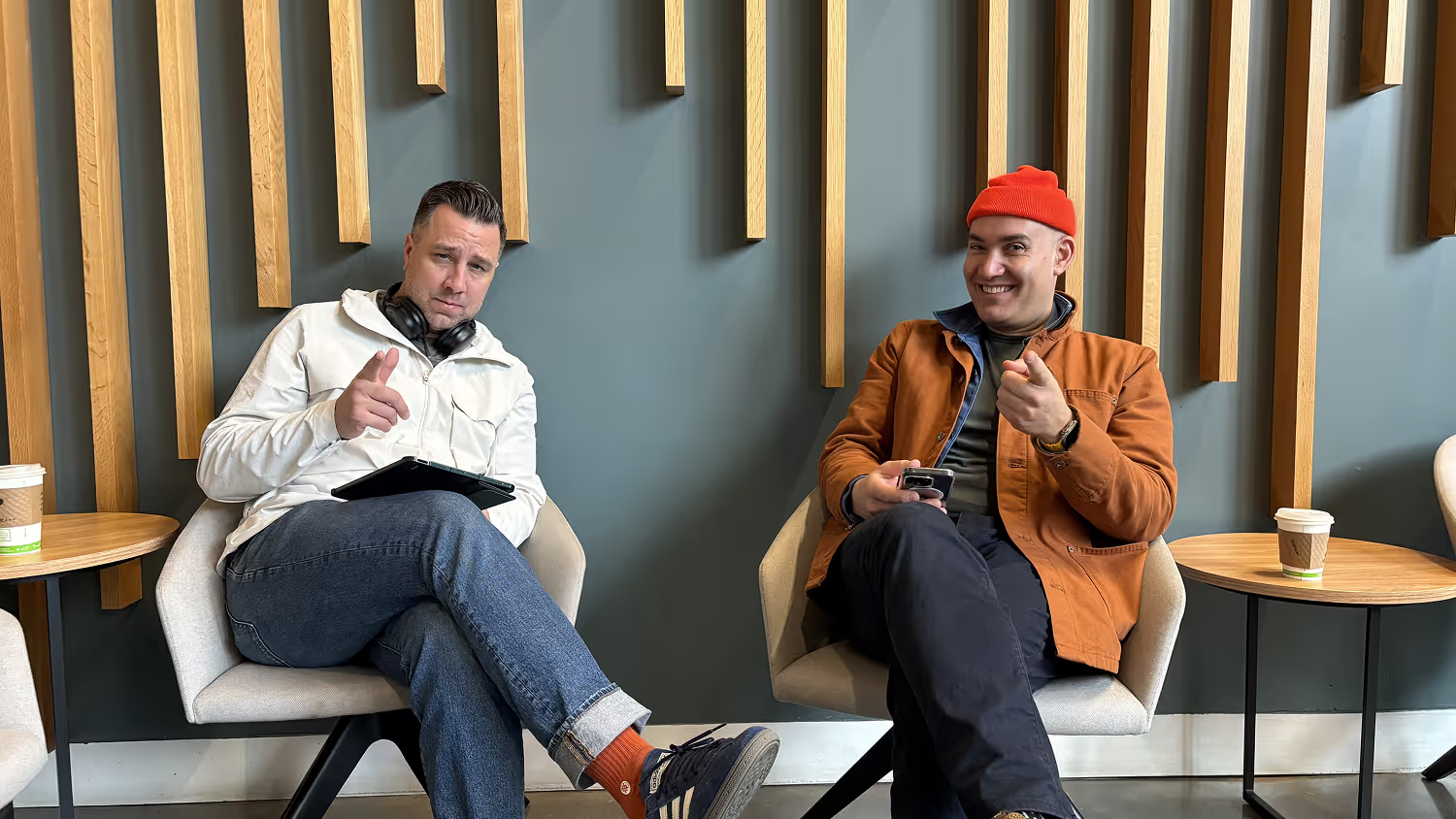
“The Brandons” Podcast — A very special episode fifteen years in the making, and honestly, it’s worth the wait. In this long-overdue conversation, filmmaker Brandon Bray reconnects with Hometeam Co-Founder, Brandon Bloch to reflect on a career shaped by empathy, curiosity, and a deeply human approach to storytelling.
Together, they draw on a shared creative language built over years of collaboration, exploring how humor, adaptability, and heart have guided Bray’s filmmaking journey. It feels less like an interview and more like two old friends finding their rhythm again—threading moments from the past and present into something that just works.
And yes—it’s our longest episode yet. An hour of joyful, unfiltered conversation we simply couldn’t trim, because every minute was the good stuff.
An Empathetic Approach to Storytelling with Director, DP & Editor Brandon Bray
Bray’s roots trace back to a childhood grounded in compassion. The son of a minister and grade school teacher, he was raised to consider others and those less fortunate, lessons that have become the emotional foundation of his work. He attributes much of his perspective to his family, especially his sister, a therapist, and to his extensive travels—experiences that taught him one of the guiding principles of his craft:
“Everybody's fighting their own private battle, and once you recognize that and can just sit with them in that space, there's a change that should happen inside of you (...)
His interviewing style is grounded in listening and simplicity, often asking people to explain things as if they were speaking to a third grader—not to diminish their story, but to illuminate it. That practice of empathy, paired with curiosity, creates a sense of safety on set, allowing authentic stories to unfold naturally in front of the camera.
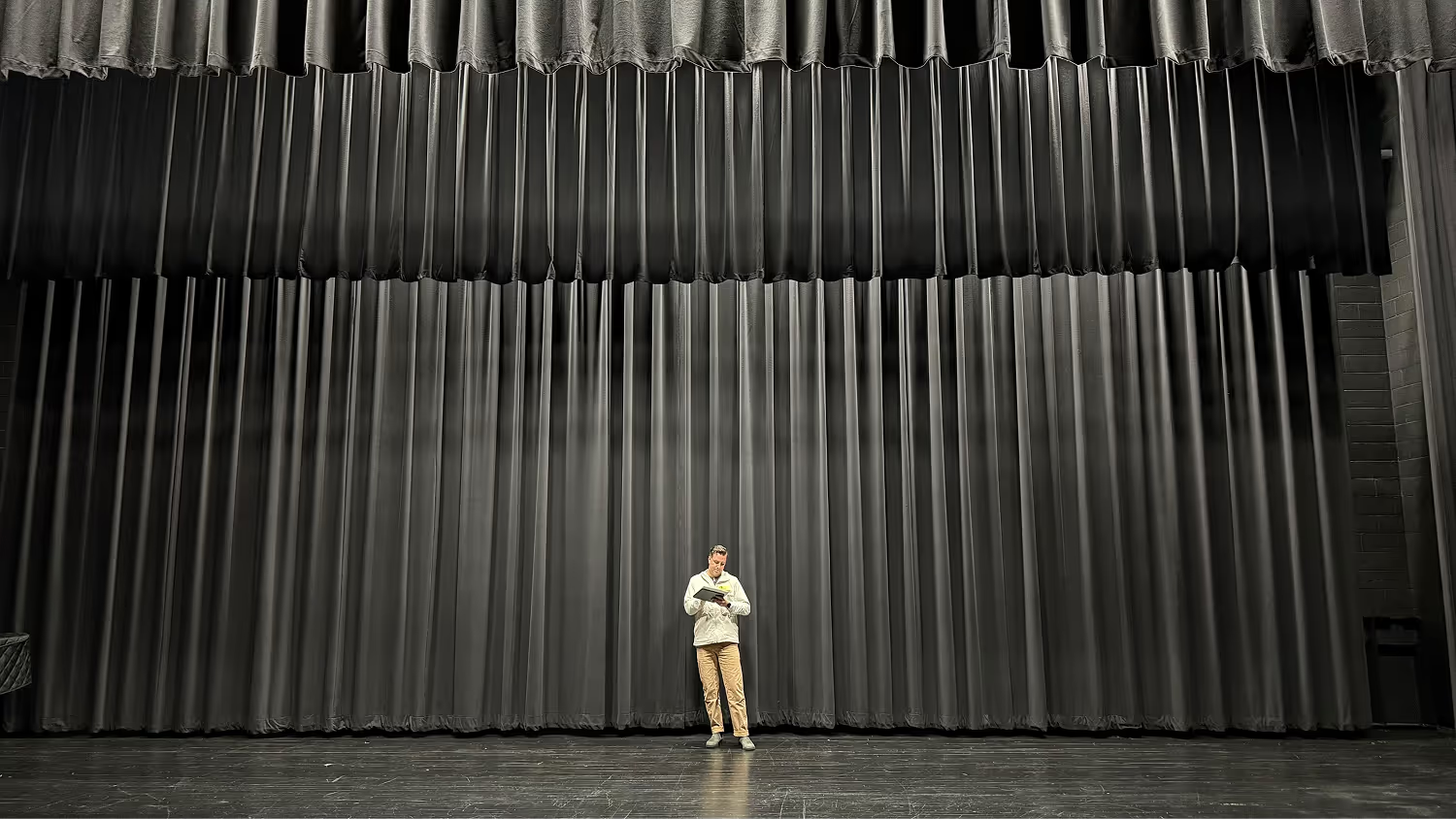
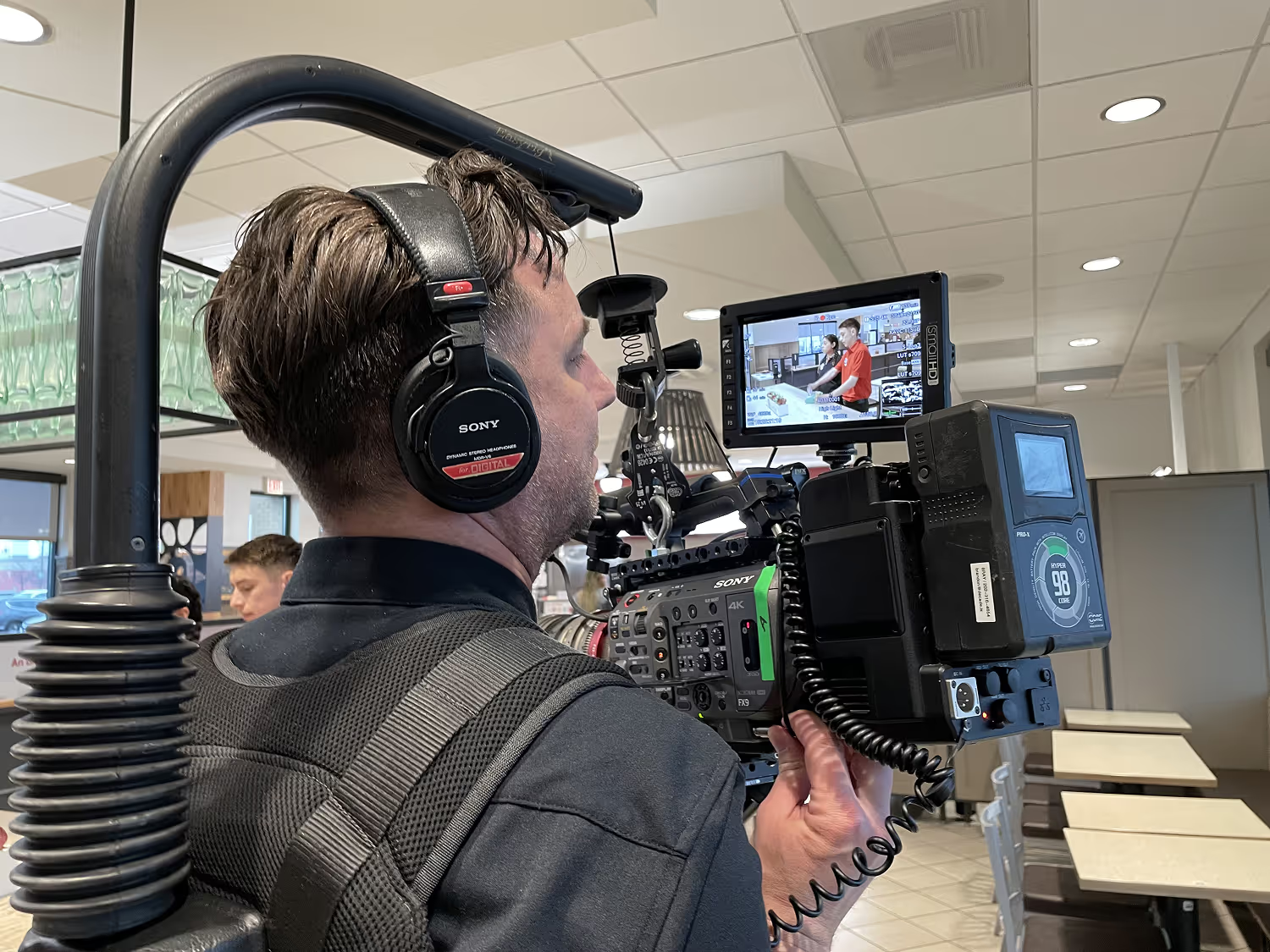
Bray’s path to directing has been anything but conventional. He started as an editor, then transitioned to cinematography before moving into the director’s chair—a “backward” evolution he believes was essential to understanding the craft in its entirety. “If you think something’s beneath you or above you,” he notes, “you’re missing the point of what it can offer.” That layered perspective allows him to lead with both technical insight and emotional awareness, bridging creative intent and practical execution. It’s also what makes him such an effective collaborator—one who understands the moving parts of a production not just as logistics, but as extensions of human effort and care.
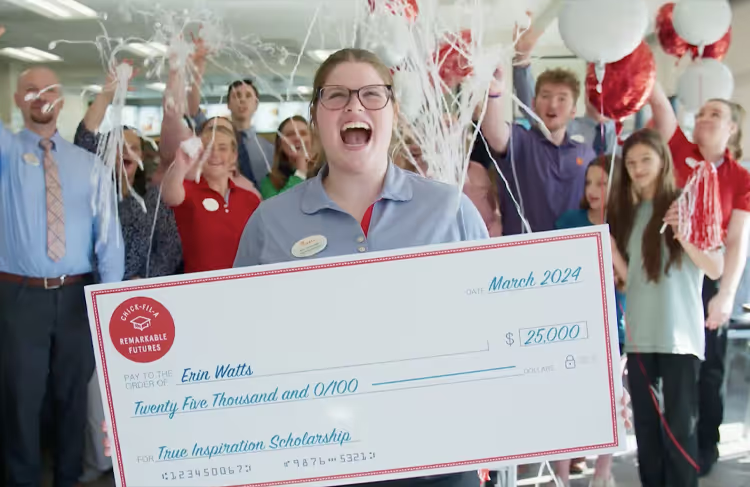
That balance of empathy and efficiency was tested on one of Hometeam’s most ambitious collaborations: Chick-fil-A’s “Remarkable Futures” series. Described by Bloch as a “massive logistical heist,” the project involved a small core team of CFA clients and Bray traversing the country, delivering surprise $25,000 scholarships to Chick-fil-A team members, and capturing those life-changing moments in real time.
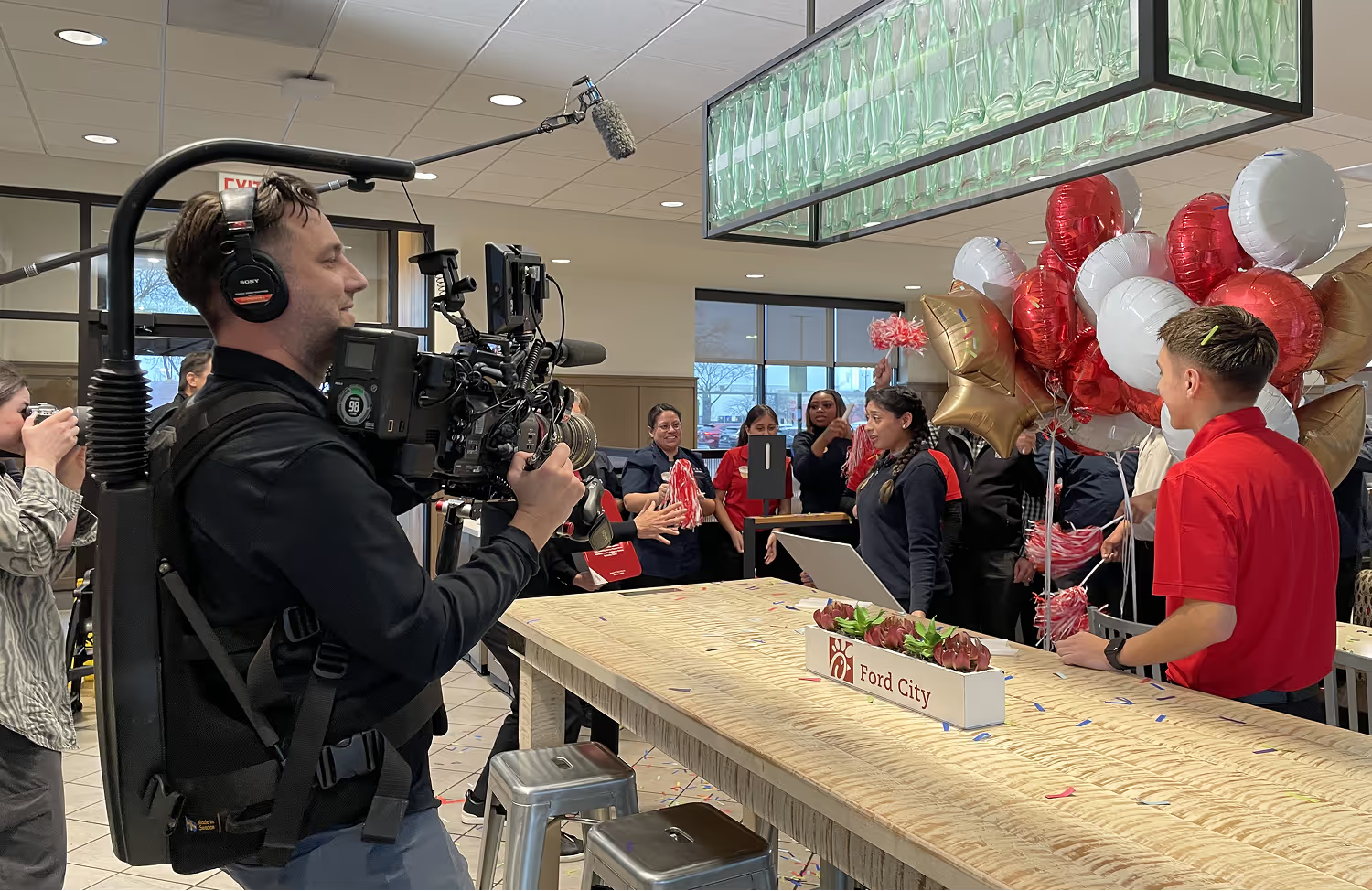
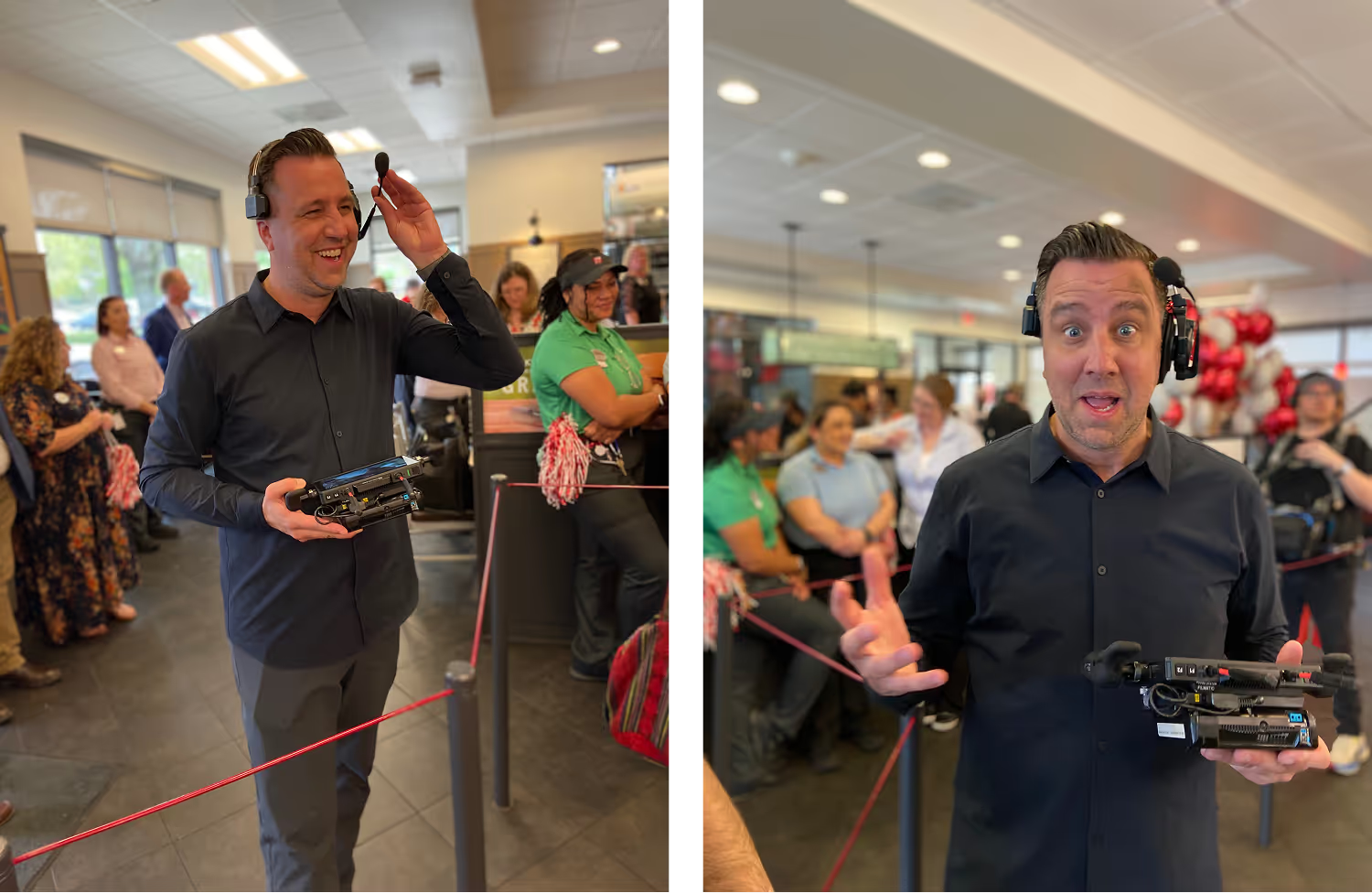
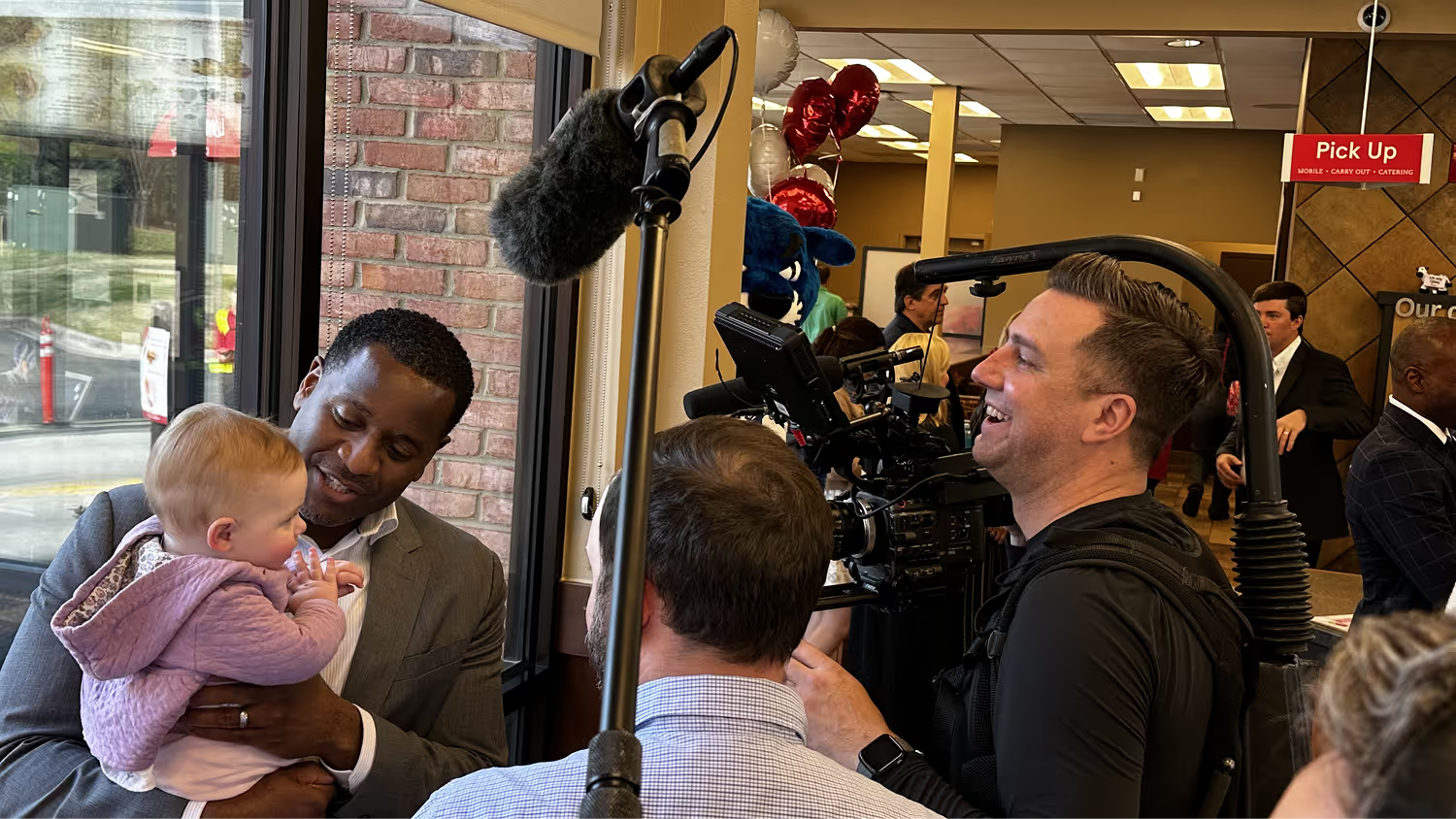
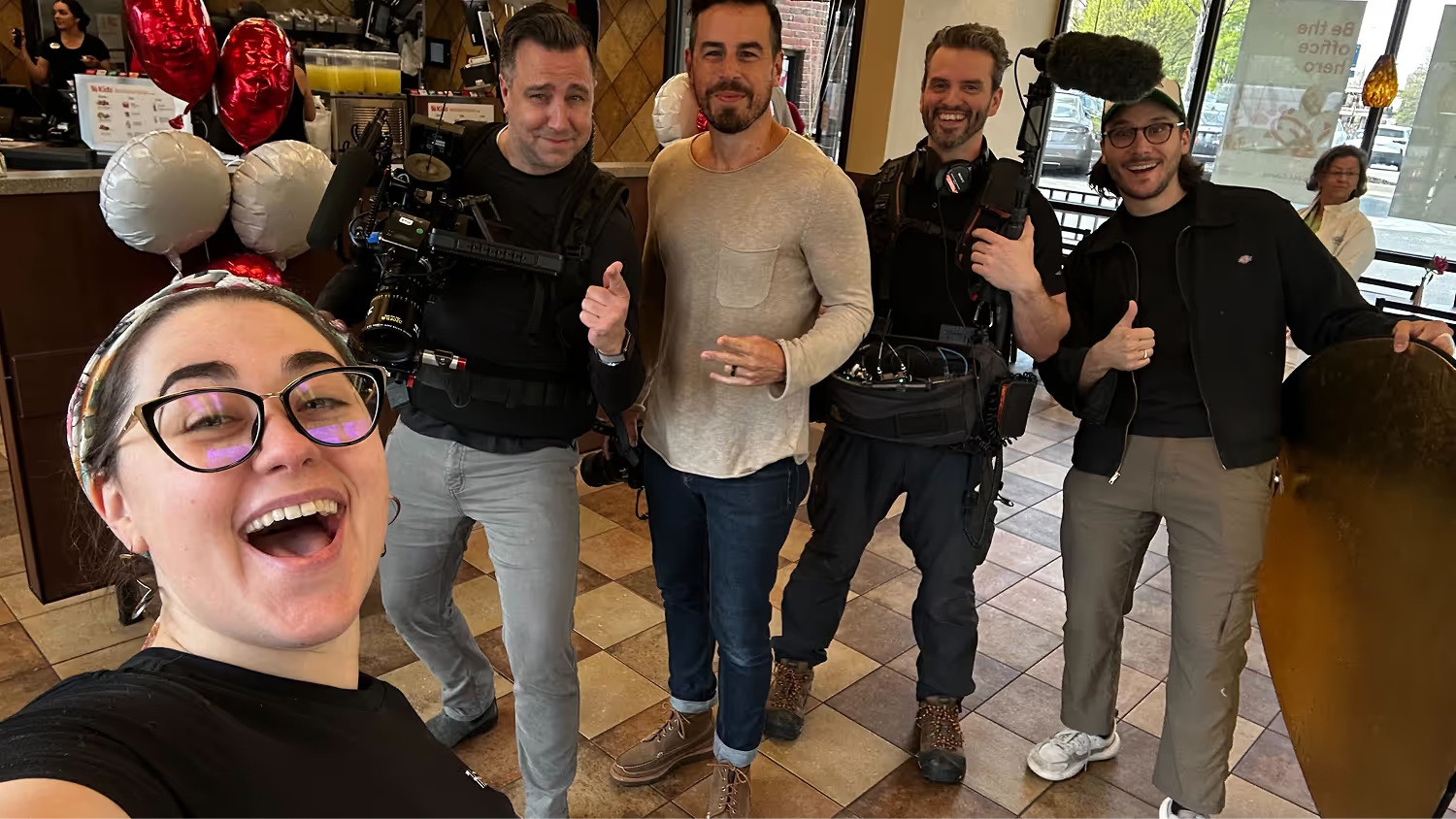
Filming four to five stores a day across multiple states, It was filmmaking at full throttle: land, drive 15 minutes, set up, surprise someone whose life was about to change, and then fly to the next location to do it all again—while, of course, the amazing local crews brought Hometeam’s core magic to each city. Despite the relentless pace, Bray ensured that every moment felt personal and grounded. “There’s so much in between—like cartilage—that has to work for something like this to succeed,” he reflects. That “cartilage” wasn’t just the logistics; it was the empathy that made each encounter real, the connection that turned a production schedule into a series of deeply human moments.
Bloch calls Bray the “first and only choice” for such a project, praising his ability to adapt seamlessly—from corporate boardrooms to fast-paced store floors—while maintaining emotional authenticity. Bray, in turn, credits the trust and stamina of the Hometeam network for making it possible.
“It takes a special kind of crazy to pull something like that off - But it works because everyone’s heart is in the same place.”
Before filmmaking took over his life, Bray spent nearly three years living in Western China—an experience that permanently reshaped his worldview. What started as a plan to help launch a coffee shop evolved into a profound personal transformation. He describes his arrival as a “fever dream,” unable to communicate and stranded in a train station for two days, but it became one of the most defining chapters of his life. Immersed in a city of two million where only a handful of other foreigners lived, Bray learned Mandarin, explored Tibet by motorcycle, and gained a perspective on humility and humanity that continues to guide his storytelling today. “My skin is American, but my heart is Chinese,” he says, a testament to how deeply those years influenced his empathy for others.
Off set, Bray finds his balance through fly fishing and woodworking, hobbies he describes as the “commas” in his life—spaces to pause, reflect, and reset. They mirror his filmmaking philosophy: deliberate, patient, and rooted in presence. And while his career continues to evolve, Bray’s focus remains on growth, both as an artist and as a father. “Old Man Bray,” he jokes, “just wants to be a better dad and a better human.”
That humility and humor are exactly what define him as a collaborator. On the podcast, he thanks Bloch and Hometeam for “putting a team together and taking the risks to figure out how to assemble such a weird and wonderful group of people to take on this thing called production.” It’s a reflection of a filmmaker who leads not through ego, but through gratitude—a storyteller who understands that empathy isn’t just a tool for filmmaking, but the very heart of it.
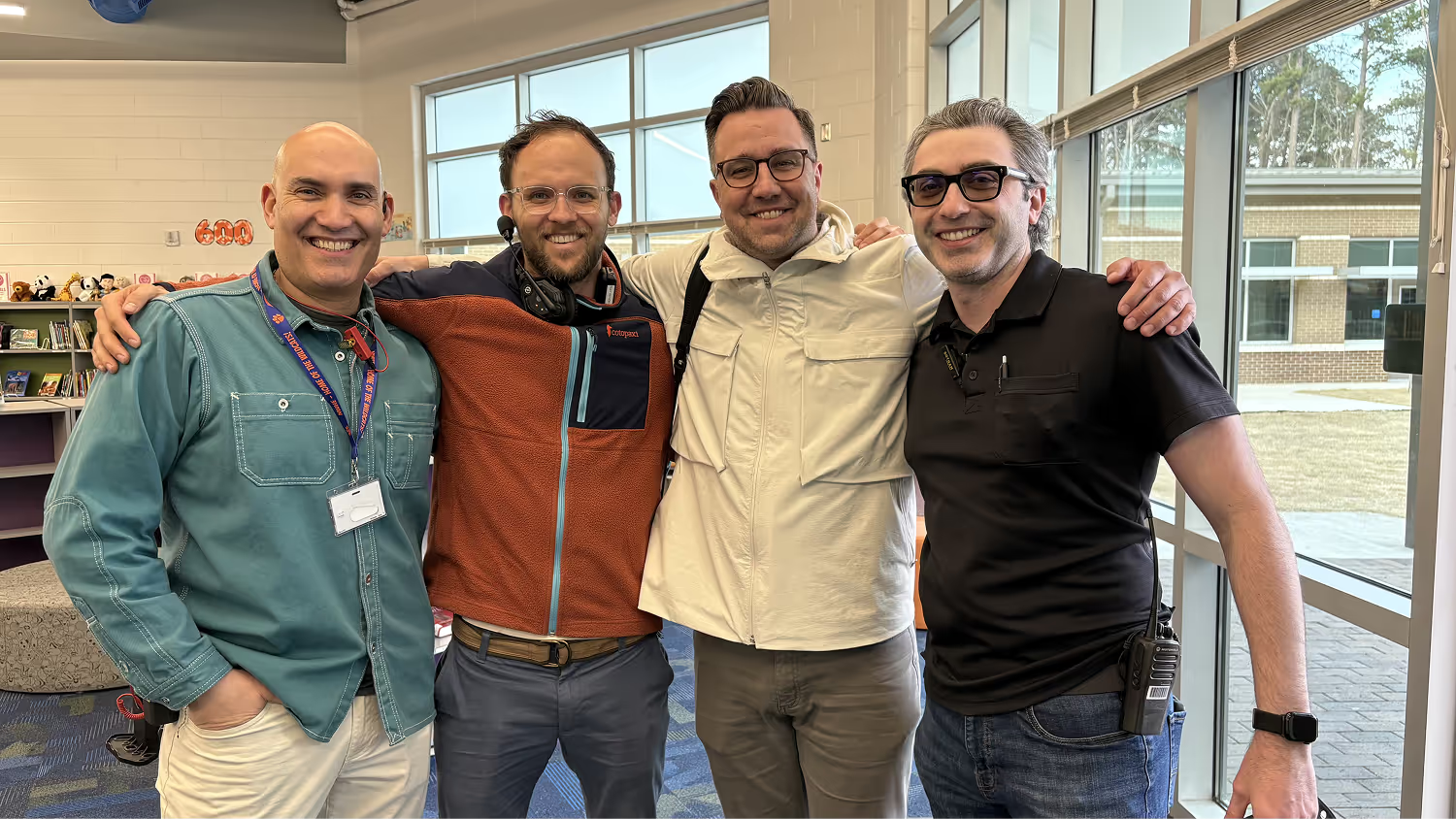
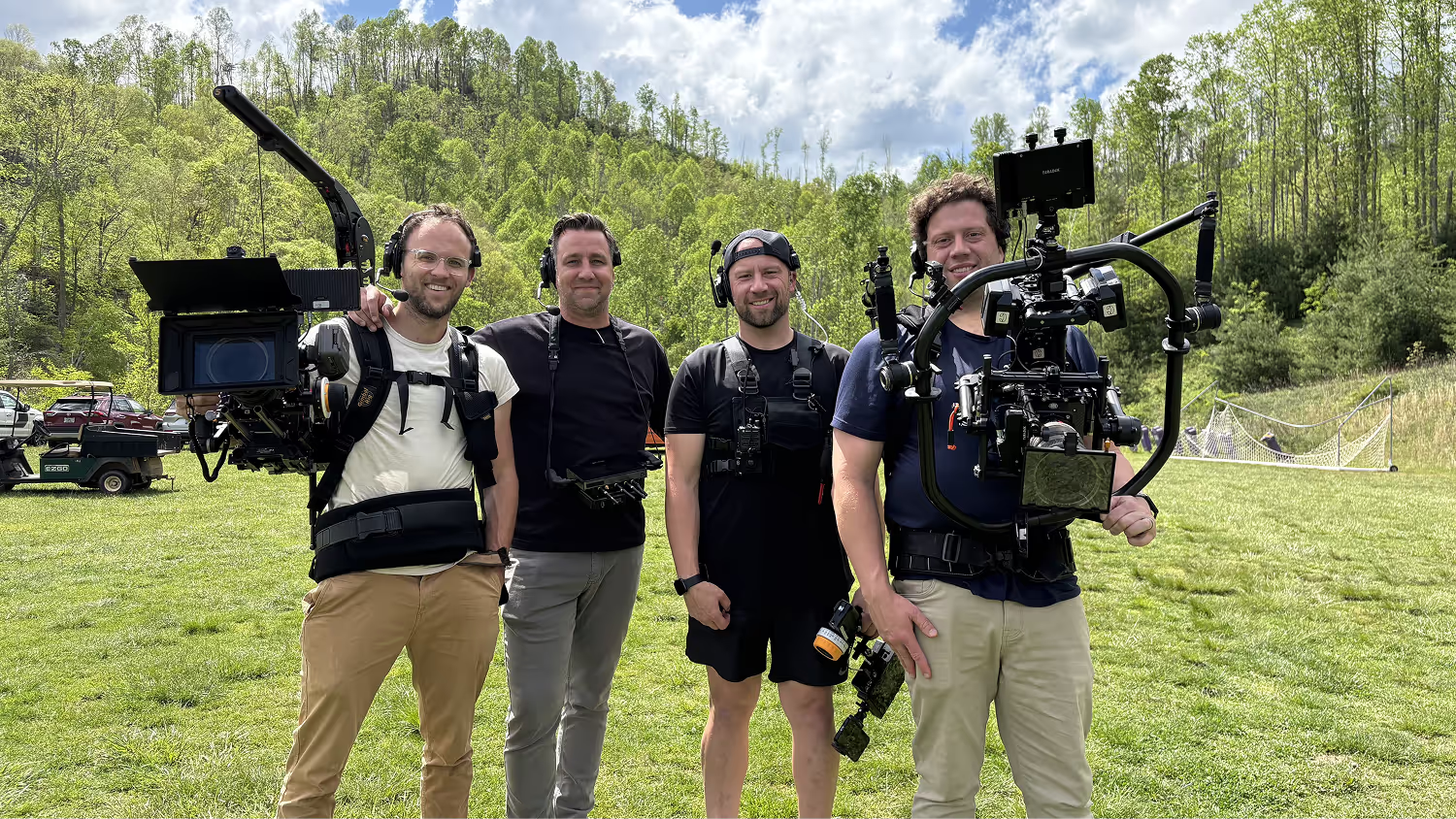
As the conversation puts it, documentary filmmaking is a way of “doing therapy in our own way,” and Bray’s work is proof of that philosophy in motion. His empathy isn’t theoretical; it’s lived, practiced, and poured into every frame. It’s what allows him to connect with people from every walk of life and to find, within the chaos of production, the stillness of human truth.
Another project that, according to Bray, exemplifies Hometeam's commitment to authentic storytelling—particularly stories focused on education—is the North Carolina Lottery. This initiative stands out because it features real North Carolinians, not actors flown in from elsewhere, fostering genuine human-to-human interaction, exactly the kind of approach he values.

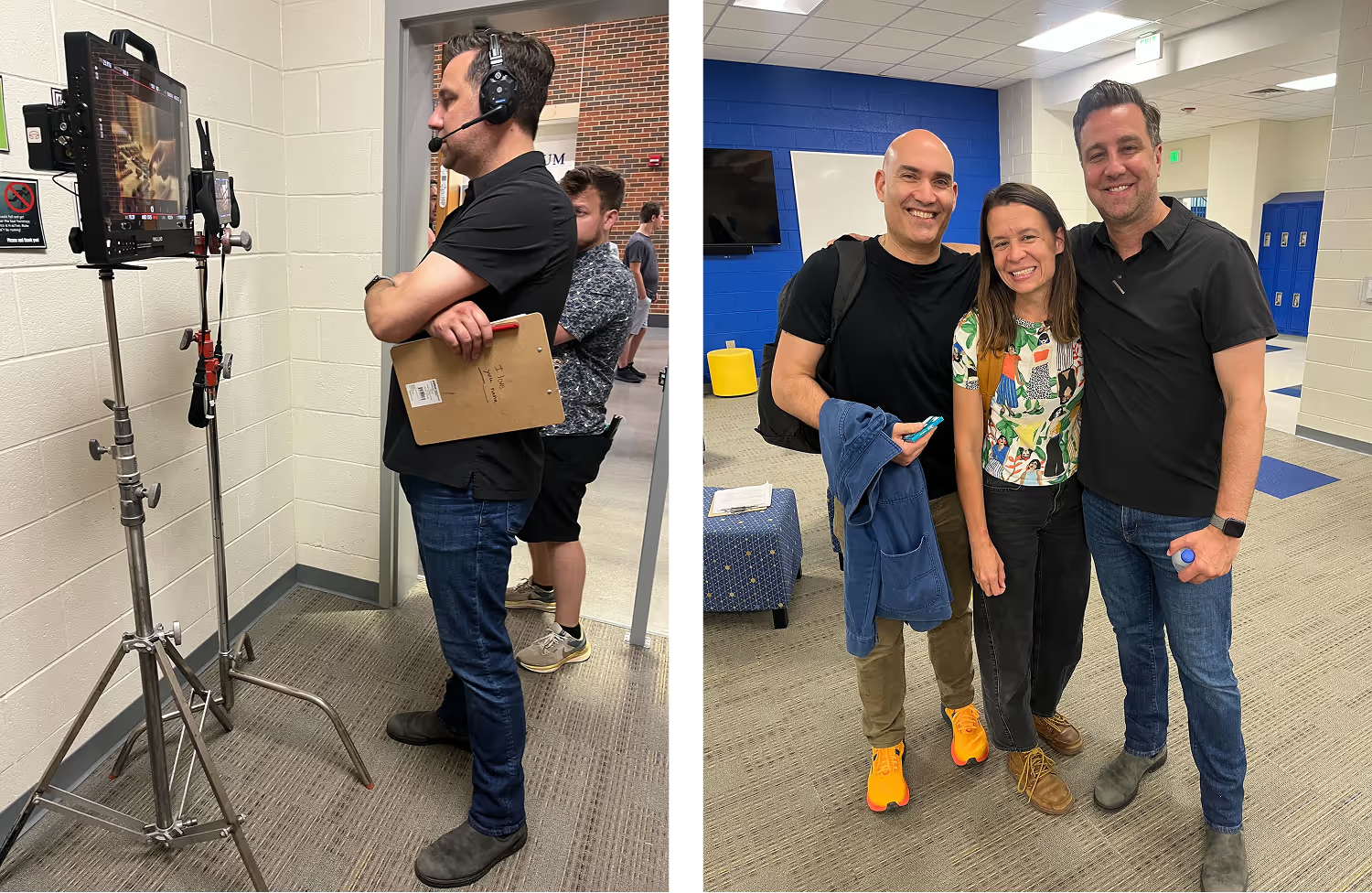
That deep sense of understanding informs his approach to every project, allowing him to meet subjects—whether a student, a CEO, a PhD that works in microbiology, or everyday people—exactly where they are.
“In some ways, I feel like we do therapy in our own way on a regular basis right now. I think you can sort of, you know, lay a different meaning on top of it. You're here to hear the deepest parts about a person and what they do, so it's a very rich way to meet someone (...) What I've loved about being a documentary filmmaker, especially, is that you drop into somebody's life and get past all the small talk.”
And in that, Brandon Bray stands as both a craftsman and a connector—someone who reminds us that filmmaking, at its best, is not just about capturing stories, but about honoring the people who live them.
To hear the full conversation, check out Hometeam’s Podcast series, Chasing the Same Sun: Global Adventures in Filmmaking below.